Essential Tips for Maintaining Coastal Roofs on the Gold Coast
The Gold Coast is known for its beaches, canals and subtropical climate, but these same features place unusual demands on roofing. Salt-laden air, high humidity, intense UV radiation, summer storms and the occasional cyclone-related weather system all work together to wear down roofing materials faster than in inland areas. Whether you own a beachfront home at Burleigh Heads, a canal-side property at Paradise Point or a townhouse in Robina, understanding how the coastal environment affects your roof is the first step to protecting it. This guide covers practical maintenance advice to help extend roof life and avoid costly repairs.
Why Coastal Roofs Deteriorate Faster
Roofs within a few kilometres of the ocean face a combination of environmental stresses that inland roofs rarely experience at the same intensity.
Salt Spray and Corrosion
Airborne salt settles on roofing surfaces, fasteners, flashings and gutters. When combined with moisture, salt accelerates corrosion, particularly in metal roofing. Steel sheeting, screws, and ridge capping are all vulnerable, and corrosion often begins at cut edges, overlaps and fixings before it becomes visible across the broader roof surface.
UV Exposure and Heat
South-East Queensland receives high UV levels year-round. Over time, UV radiation fades paint finishes, degrades sealants and makes some materials brittle. Concrete and terracotta tiles can lose surface glaze, while polycarbonate sheeting on patios and pergolas may yellow and crack.
Humidity, Mould and Algae
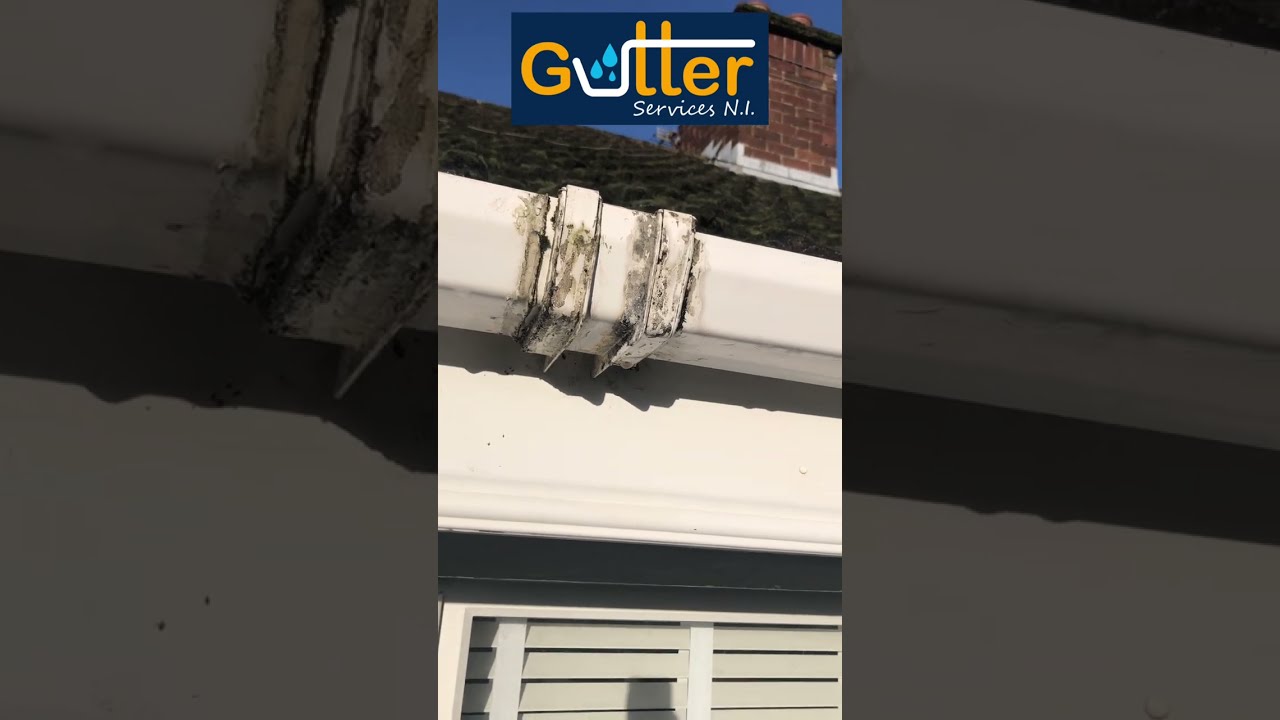
High humidity encourages mould, lichen and algae growth, particularly on shaded roof sections and south-facing slopes. Tile roofs are especially prone to this. Organic growth holds moisture against the surface, which can speed up deterioration and block drainage paths.
Storms and Wind
Gold Coast storm season typically runs from October to April, bringing damaging winds, heavy rain and sometimes hail. Loose tiles, lifted sheeting, and weakened fixings are common storm-related issues. Roofs that have not been inspected before the season starts are more likely to sustain damage.
Schedule Regular Roof Inspections
Regular inspections are the foundation of coastal roof maintenance. As a general guide, coastal properties benefit from a professional inspection at least once a year, plus an additional check after any severe storm. Ideally, book your annual inspection before October so any issues are addressed ahead of storm season.
A thorough inspection should assess the following:
- Corrosion or rust on metal sheets, fasteners, flashings and valleys
- Cracked, slipped, broken or missing tiles
- Deteriorated or crumbling mortar on ridge capping and hip tiles
- Condition of sealants around penetrations such as vents, skylights and flues
- Blocked or sagging gutters and downpipes
- Signs of water entry inside the roof space, including stains, damp insulation or mould
- Condition of roof paint or protective coatings
- Sarking, insulation and ventilation performance
You can carry out basic visual checks from the ground with binoculars, but climbing onto a roof is hazardous. Falls from roofs are a leading cause of serious injury in Queensland, so working at height is best left to licensed and insured professionals with appropriate safety equipment.
Keep Gutters and Drainage Clear
Blocked gutters are one of the most common causes of roof-related water damage. Leaves from Gold Coast native trees such as eucalypts, bottlebrush and melaleuca build up quickly, and they hold moisture that speeds up corrosion in metal gutters. During heavy tropical downpours, overflowing gutters can push water back under roof sheeting or into the eaves and ceiling.
Aim to clean gutters at least twice a year, and more often if your property is surrounded by trees. Check that downpipes flow freely and that stormwater connections are intact. If you have gutter guards, confirm they are made from marine-grade or corrosion-resistant materials, as cheaper mesh can deteriorate quickly in salty conditions.
Choose and Maintain Corrosion-Resistant Materials
If you are replacing or upgrading a roof, material selection matters greatly in coastal conditions. Not all roofing products are equally suited to marine environments.
Metal Roofing
Look for steel roofing with a coating rated for severe marine environments, and check the manufacturer's warranty conditions. Many manufacturers require regular washing to keep coastal warranties valid, so it pays to read the fine print. Colorbond steel, for example, has specific maintenance expectations in areas close to the ocean. Aluminium and stainless steel are alternatives with strong corrosion resistance, though they come at a higher price point.
Tile Roofing
Concrete and terracotta tiles generally cope well with salt air, but the pointing, bedding and ridge capping that hold them in place can degrade. Flexible pointing is often preferred over traditional mortar because it moves with the roof and resists cracking. Tile surfaces should also be checked for glaze wear and porous areas that trap moisture.
Fasteners and Flashings
Using the wrong fasteners is a common cause of premature failure. Mixing incompatible metals can cause galvanic corrosion, where one metal corrodes rapidly in contact with another. Always ensure screws, flashings and sheeting are compatible and rated for coastal use.
Wash Your Roof to Remove Salt Build-Up
In coastal areas, rain does not always reach every part of the roof, particularly under eaves, overhangs and sheltered sections. Salt can accumulate in these areas and cause localised corrosion. Gently washing the roof with fresh water removes these deposits and helps preserve protective coatings.
Use a soft brush or low-pressure hose rather than a high-pressure cleaner. High-pressure washing can strip paint, damage tile surfaces, force water beneath tiles and void some warranties. Avoid harsh chemicals unless they are approved for your roofing material.

Manage Mould, Moss and Algae Safely
Organic growth is more than a cosmetic concern. It can retain moisture, trap debris and shorten the life of tile and metal surfaces. A professional roof cleaning service can apply appropriate treatments that kill spores and slow regrowth. When selecting a service, ask which products are used and how run-off will be managed, as treated water can affect gardens, pools and stormwater systems.
Trimming overhanging branches also helps. More sunlight and airflow across the roof reduces dampness and makes it harder for mould to take hold.
Recoat and Repaint When Needed
Protective coatings are a roof's first line of defence against the elements. Over time, UV and salt wear these coatings down. Signs that a roof may need recoating include fading, chalky residue, patchy colour, early rust spots and https://zanderuwtl735.birchreport.com/posts/why-new-roofs-need-more-than-just-quality-roofing-sheets a rough, worn surface.
Recoating a roof before significant corrosion sets in is typically far more economical than replacing sheeting. The surface must be properly cleaned and prepared, with rust treated and loose paint removed, or the new coating will not adhere well. Use products designed for the specific roof type and for coastal exposure.
Prepare for Storm Season
Storm preparation is an essential part of roof care in South-East Queensland. Before the season begins, consider the following steps:
- Book a professional inspection and repair any loose tiles, lifted sheets or failing fixings.
- Clear gutters, downpipes and roof valleys of debris.
- Trim branches that could fall on or scrape against the roof.
- Check that antennas, solar panels and roof-mounted equipment are securely attached.
- Review your home insurance policy to confirm cover for storm and water damage.
- Photograph the roof's condition so you have a record for any future claim.
After a storm, inspect your property from the ground for visible damage, and arrange a professional assessment if you notice displaced tiles, dents, or interior leaks. Temporary repairs such as tarping can prevent further damage while permanent repairs are arranged.
Consider Building Standards and Compliance
Queensland building regulations require roofing to meet wind-resistance requirements, and coastal regions fall into higher wind classifications. When repairing or replacing a roof, ensure the work complies with the National Construction Code and relevant Australian Standards. In Queensland, roofing work above a certain value must be carried out by a licensed contractor, and the Queensland Building and Construction Commission (QBCC) maintains a register where you can verify a contractor's licence.
Properties in body corporate complexes or heritage-listed areas may also have additional rules governing roof colour, materials and approvals, so check before starting any major work.
Improve Ventilation and Insulation
Humid conditions can create condensation in the roof space, leading to mould, rusted fixings and damp insulation. Proper ventilation, including roof vents and whirlybirds in good working order, helps moisture escape and keeps the roof cavity cooler. Sarking beneath roof sheeting or tiles can also reduce condensation and add a layer of protection against wind-driven rain.
Insulation should be checked periodically. Wet, compressed or displaced insulation loses effectiveness and may signal a leak or ventilation problem.
Know When to Repair and When to Replace
Small repairs made early are usually cost-effective, but there comes a point when ongoing patching no longer makes sense. Consider replacement if you notice widespread rust or perforation across metal sheets, numerous cracked or porous tiles, recurring leaks in multiple areas, or sagging in the roof structure. Most coastal roofs will last somewhere between 20 and 50 years depending on material, quality of installation and how well they have been maintained, though salt exposure can shorten this timeframe where upkeep has been neglected.

A written assessment from a qualified roofer can help you weigh up repair versus replacement, and getting multiple quotes gives a clearer picture of your options.
Final Thoughts
Maintaining a roof on the Gold Coast is about consistency and attention to the unique pressures of a coastal environment. Annual inspections, regular cleaning, corrosion-resistant materials, timely recoating and storm preparation all contribute to a longer roof life and fewer unexpected expenses. By addressing small problems early and working with licensed roofing professionals, homeowners can protect their properties against salt, sun, humidity and storms well into 2027 and beyond.
SEQ Roof Restoration Experts
Unit 6/25 Lerna St, Woolloongabba QLD 4102
(07) 3132 3236